

01
Bookkeeping
Organise income, expenses, transactions and supporting records so the financial activity of the business remains easier to review and understand.
Bookkeeping, BAS & Payroll
Finance in Life provides practical bookkeeping, BAS and payroll support to help businesses maintain reliable records, manage recurring accounting responsibilities and keep the financial side of the business easier to understand.

Ongoing Business Accounting
Bookkeeping sits behind many of the financial responsibilities a business needs to manage. Income, expenses, invoices, payments, payroll and bank activity all contribute to the accounting record of the business.
When those records are maintained consistently, BAS, business tax and financial reporting become easier to work through. Finance in Life can help create a clearer process for managing that information throughout the year.
What We Help With
The level of support required will depend on the business, its registrations, transaction volume and whether it employs staff.
Organise income, expenses, transactions and supporting records so the financial activity of the business remains easier to review and understand.

Support with accounting information relevant to Business Activity Statements and the recurring reporting responsibilities of the business.

Help maintaining an organised payroll process and the accounting information associated with paying employees.

Bookkeeping
Bookkeeping provides the underlying information used for reporting, business tax and understanding financial activity. Maintaining those records throughout the year can reduce the need to reconstruct transactions later.
BAS & Payroll
BAS and payroll occur throughout the year rather than only at tax time. A consistent accounting process can make those obligations easier to manage.
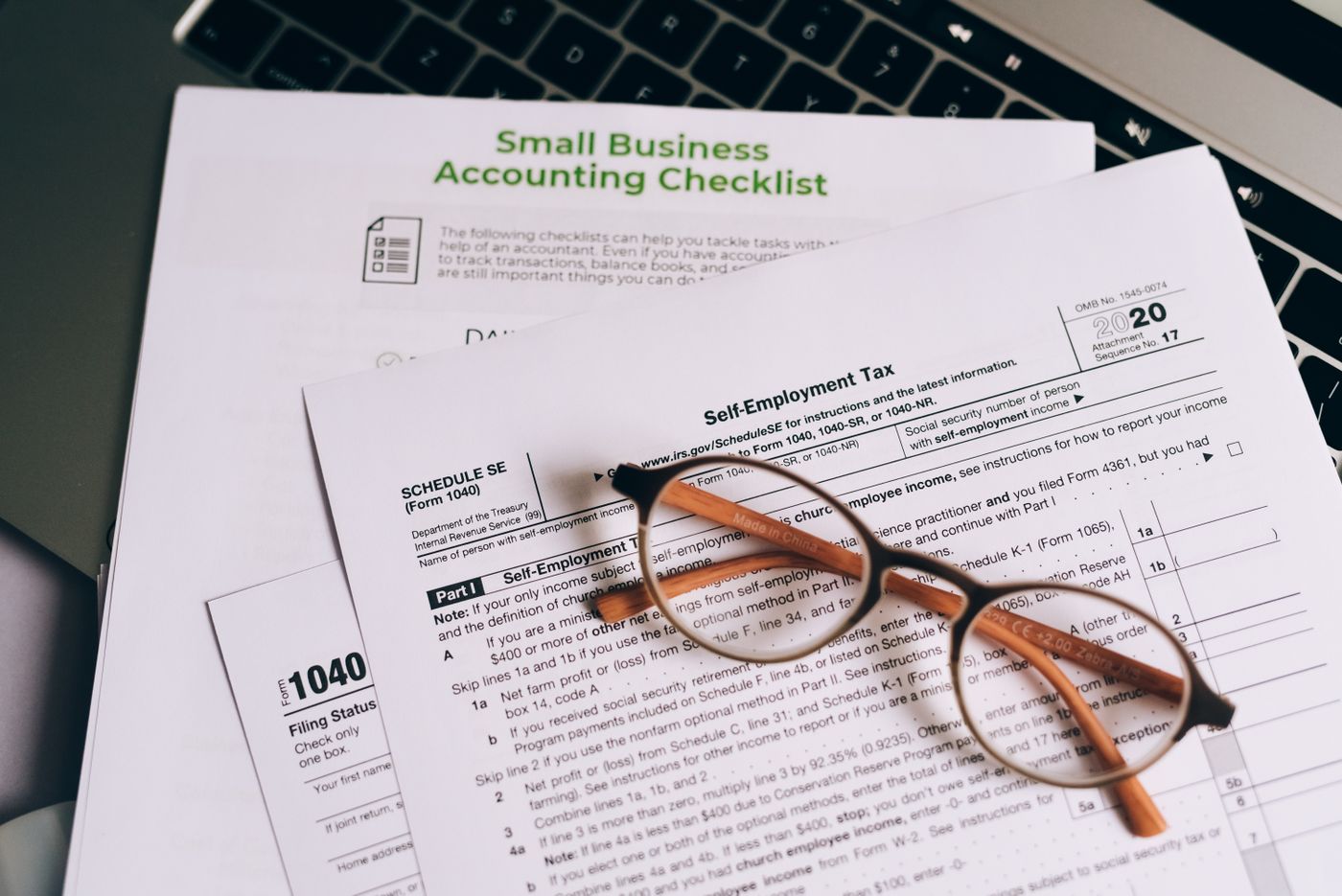
Business Activity Statement reporting depends on the registrations and circumstances of the business and the accounting information recorded during the period.

Employing staff introduces regular payroll and record-keeping responsibilities. Keeping those processes consistent helps maintain clearer accounting records.
Keep Things Current
When accounting records fall behind, reporting periods can become more difficult because transactions need to be traced, categorised and checked retrospectively. A more regular bookkeeping process can help reduce that pressure.

Connected Accounting Support
Bookkeeping information can feed into business tax, BAS reporting, GST obligations and wider business decisions. Finance in Life can also assist when your accounting needs extend beyond the day-to-day records.
How It Works
The process can be adapted to the business and the level of support required, from organising existing records to maintaining an ongoing accounting workflow.
Understand how the business currently records transactions and manages bookkeeping information.
Bring income, expenses, bank activity and other accounting information into a clearer structure.
Keep bookkeeping and payroll activity more consistent throughout the reporting periods.
Use organised records to support BAS, business tax and other accounting work when required.
Bookkeeping, BAS & Payroll FAQs
Bookkeeping creates the accounting record behind many other financial responsibilities. Organised records can make it easier to review income and expenses, prepare reporting information and understand what is happening inside the business.
The information required depends on the business and its registrations. Accounting records relating to sales, purchases, GST and other relevant obligations may form part of the reporting process.
The first step is to understand what records are available, which periods need attention and how the existing accounting information has been maintained. The work required to organise the records can then be identified.
Payroll activity forms part of the wider accounting records of a business. Keeping payroll information consistent with bookkeeping can help maintain a clearer overall financial record.
Organised accounting records can make it easier to identify business income, expenses and other information that may be relevant when business tax work is prepared.
Information on this page is general in nature. Bookkeeping, BAS, payroll and reporting requirements can differ depending on business structure, registrations, employees, transactions and the particular circumstances of the business.
Need Better Accounting Organisation?
Contact Finance in Life and tell us how you currently manage your bookkeeping, BAS or payroll and where you need support.